Advancing the Treatment of Lymphoedema and Lipoedema Syndrome at the 3rd International Földi Clinic Days
450 participants. 27 countries. 6 continents.
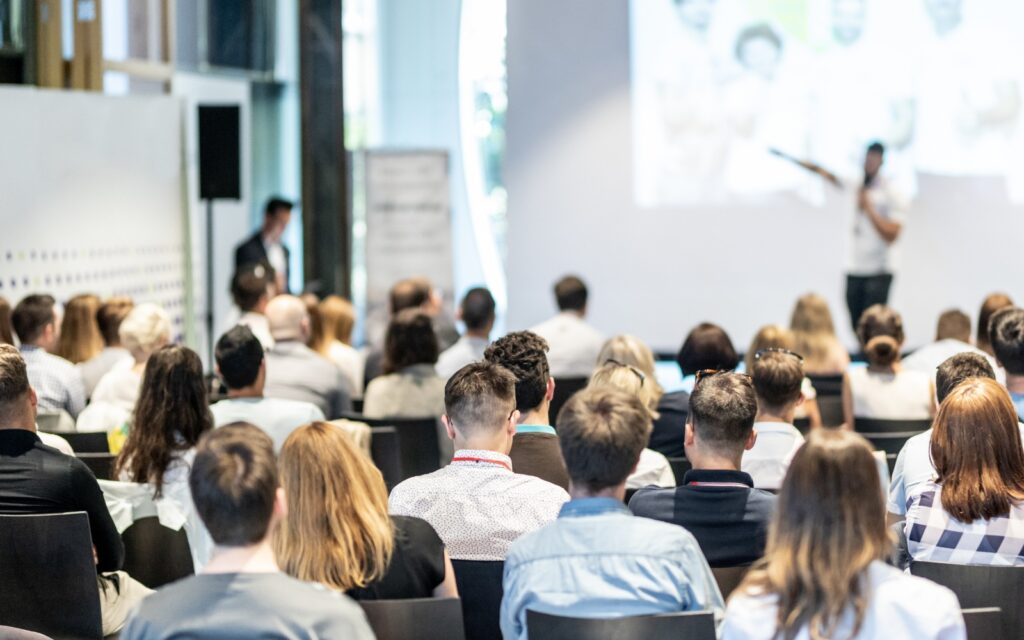
At one of the best-attended meetings in this field, lipedema syndrome took center stage. While the Földi Clinic Days featured a wide range of exciting lymphological topics, Friday afternoon was dedicated exclusively to lipedema syndrome – and the message was clear.
Lipedema is neither an edema nor a lymphatic disorder.
In pure lipedema-syndrome, the lymphatic system is healthy. Speaker after speaker returned to the same point: what these patients suffer from is pain – and pain is never purely physical. How strongly it is felt depends heavily on mental stress and psychological burden. The presentations made clear that this is not a fat-distribution disease defined by the shape of a woman’s legs. It is a pain condition, and it has to be understood as one.
The talks at the Foeldi Clinic Days in the Black Forest built that case with data rather than dogma, and they named what the field too often avoids: in the majority of women affected by lipedema syndrome, obesity is the primary disease. As the speakers put it, lipedema does not create fat; it distributes what has been eaten. Saying this plainly is not a judgment of patients; it is the precondition for honest, effective care.
That honesty ran through the program. Several talks turned to the questions patients actually ask, above all, when liposuction makes sense and when it does not. The speakers were equally clear on both. One point rarely heard elsewhere was made explicitly from the podium: when weight is regained after liposuction, the new fat tends to settle around the abdomen – a shift that matters for health, not just appearance. In a field crowded with misinformation, separating evidence from promise was presented as a form of patient care in its own right. Self-acceptance and the pressure of the beauty ideal were part of that same discussion.
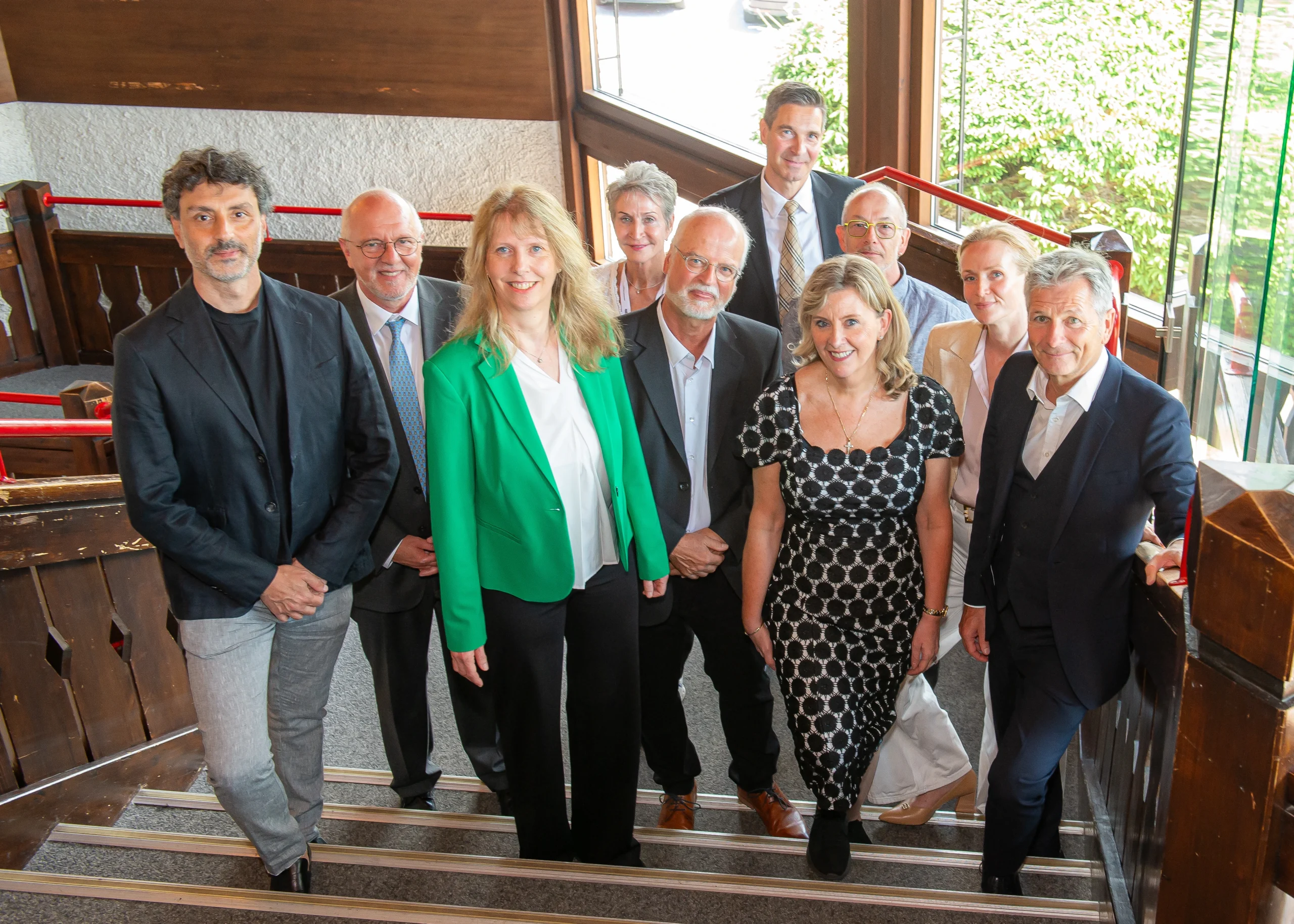
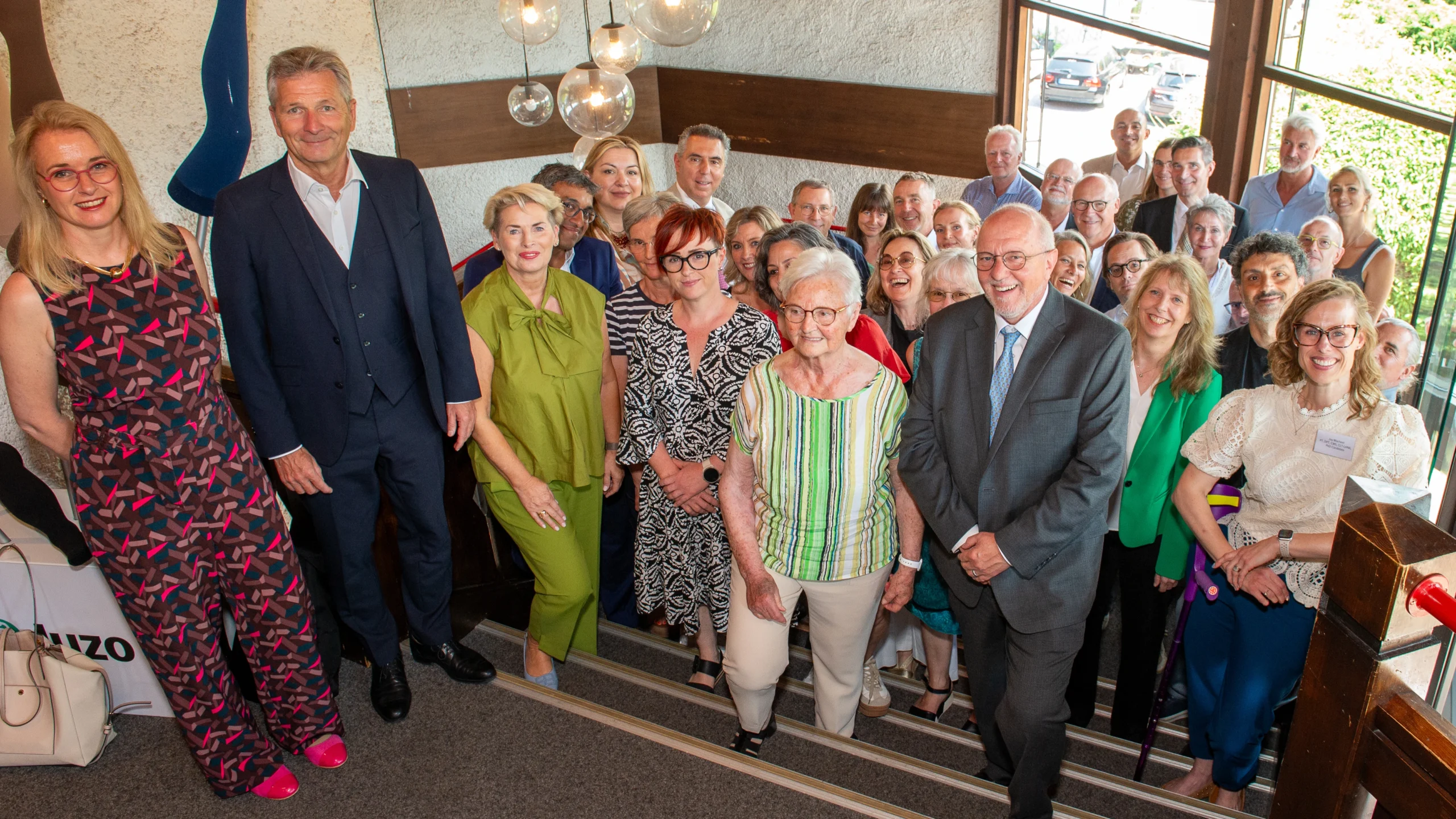
These were the questions taken up by speakers from the ILA Board, Expert Group, and Founding Members – among them the ILA President Gabriele Erbacher as well as Guenter Klose, Hildur Skuladottir, Melanie Thomas, Hans-Walter Fiedler, Axel Baumgartner, Francesco Greco, and Tobias Bertsch – bringing research and clinical reality together across disciplines and borders.
This is where the ILA stands apart: we start from the patient, from her pain, her story, and the conditions that actually drive her suffering. A shift from focussing on legs to treating people.
Our thanks go to Dr. Tobias Bertsch and Guenter Klose for organizing and chairing the conference.
The conversation doesn’t end in the Black Forest. If you treat, or research, lipedema-syndrome, join us – become part of the ILA: https://theila.net/become-a-member/
Become a member
As an ILA member, you will be part of an international network and receive the latest news within the field of Lipoedema.
Our vision is to improve the quality of life among people affected by lipoedema globally, by providing holistic, evidence-based treatment according to their individual needs.

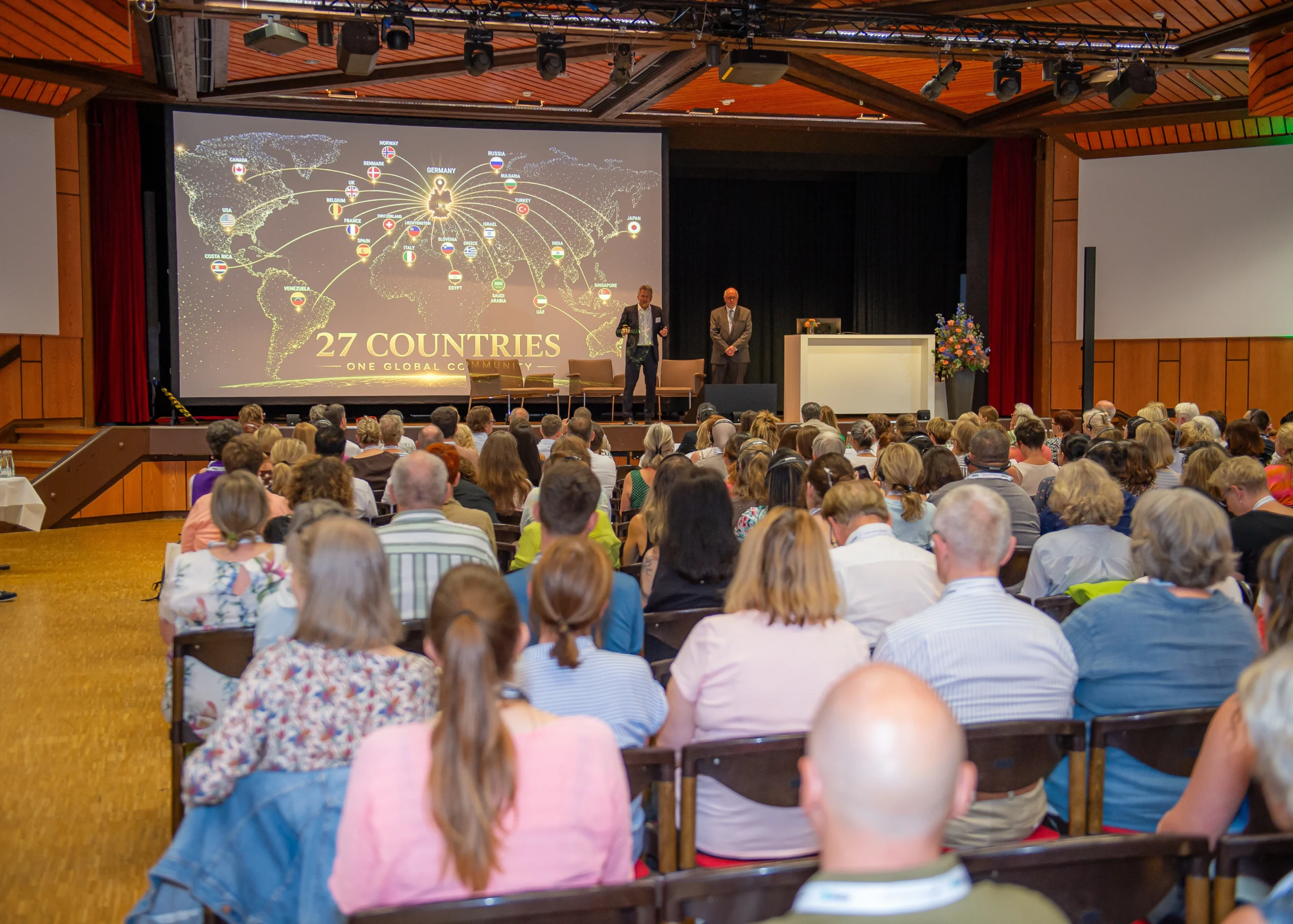

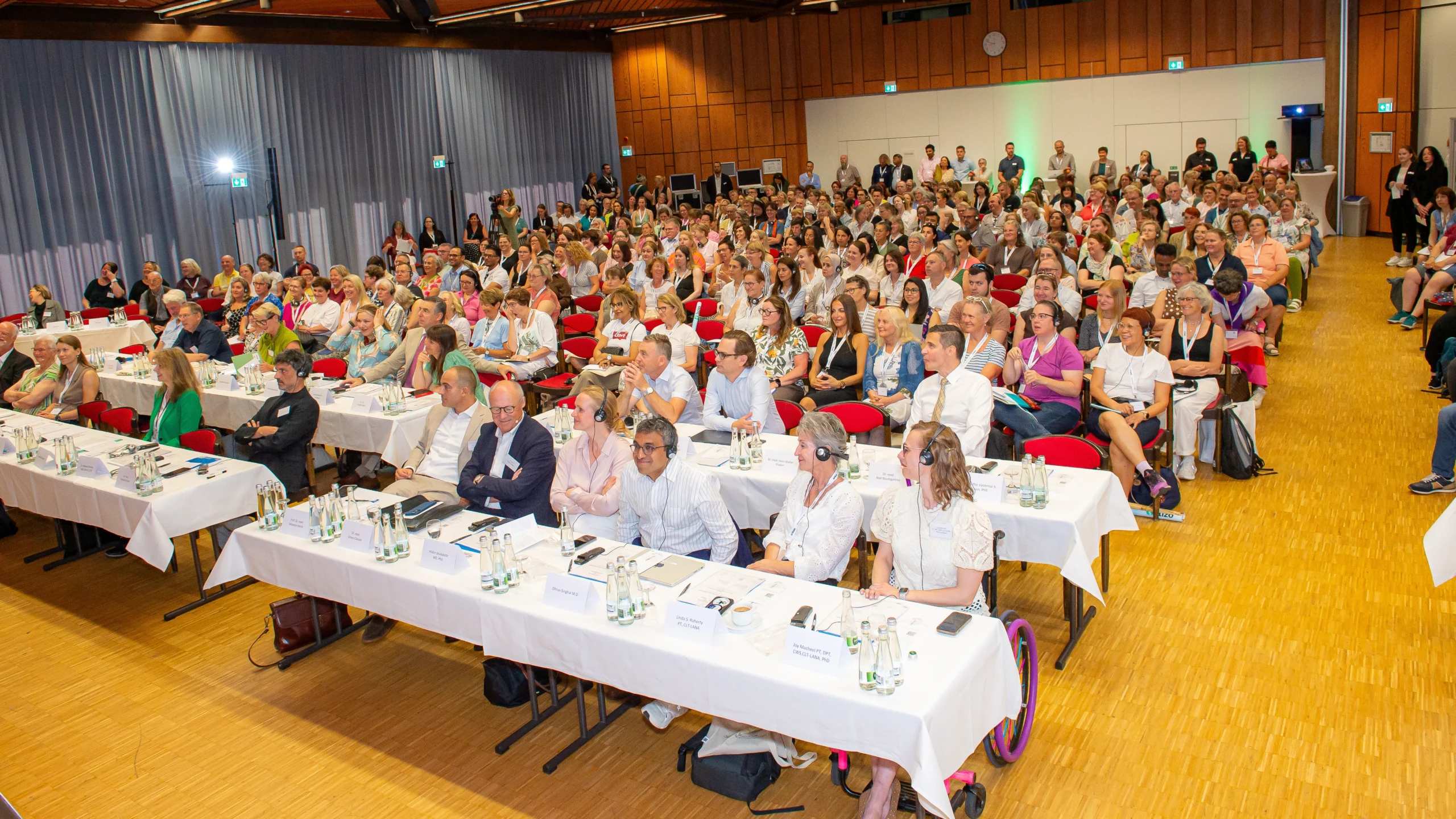
450 participants. 27 countries. 6 continents.
At one of the best-attended meetings in this field, lipedema syndrome took center stage. While the Földi Clinic Days featured a wide range of exciting lymphological topics, Friday afternoon was dedicated exclusively to lipedema syndrome – and the message was clear.
Lipedema is neither an edema nor a lymphatic disorder.
In pure lipedema-syndrome, the lymphatic system is healthy. Speaker after speaker returned to the same point: what these patients suffer from is pain – and pain is never purely physical. How strongly it is felt depends heavily on mental stress and psychological burden. The presentations made clear that this is not a fat-distribution disease defined by the shape of a woman’s legs. It is a pain condition, and it has to be understood as one.
The talks at the Foeldi Clinic Days in the Black Forest built that case with data rather than dogma, and they named what the field too often avoids: in the majority of women affected by lipedema syndrome, obesity is the primary disease. As the speakers put it, lipedema does not create fat; it distributes what has been eaten. Saying this plainly is not a judgment of patients; it is the precondition for honest, effective care.
That honesty ran through the program. Several talks turned to the questions patients actually ask, above all, when liposuction makes sense and when it does not. The speakers were equally clear on both. One point rarely heard elsewhere was made explicitly from the podium: when weight is regained after liposuction, the new fat tends to settle around the abdomen – a shift that matters for health, not just appearance. In a field crowded with misinformation, separating evidence from promise was presented as a form of patient care in its own right. Self-acceptance and the pressure of the beauty ideal were part of that same discussion.
These were the questions taken up by speakers from the ILA Board, Expert Group, and Founding Members – among them the ILA President Gabriele Erbacher as well as Guenter Klose, Hildur Skuladottir, Melanie Thomas, Hans-Walter Fiedler, Axel Baumgartner, Francesco Greco, and Tobias Bertsch – bringing research and clinical reality together across disciplines and borders.
This is where the ILA stands apart: we start from the patient, from her pain, her story, and the conditions that actually drive her suffering. A shift from focussing on legs to treating people.
Our thanks go to Dr. Tobias Bertsch and Guenter Klose for organizing and chairing the conference.
The conversation doesn’t end in the Black Forest. If you treat, or research, lipedema-syndrome, join us – become part of the ILA: https://theila.net/become-a-member/